A) It is composed of 21 proteins.
B) It is a digestion product of ER-associated ribosomes.
C) It is normally assembled in the nucleus and exported to the cytoplasm by exportins.
D) It is an ER integral membrane protein that can interact with the translocon.
E) It requires high salt concentration for its function in vivo.
G) All of the above
Correct Answer

verified
Correct Answer
verified
Correct Answer
verified
Upon regulated proteolytic cleavage, t...View Answer
Correct Answer
verified
Upon regulated proteolytic cleavage, t...
View Answer
A) X; 1
B) X; 2
C) Y; 1
D) Y; 2
F) B) and C)
Correct Answer
verified
Correct Answer
verified
Correct Answer
verified
In N-linked glycosylation, the precurs...View Answer
Correct Answer
verified
In N-linked glycosylation, the precurs...
View Answer
A) 1, 2, 3
B) 4, 5, 6
C) 1, 3, 5
D) 2, 4, 6
E) 1, 6
G) B) and D)
Correct Answer
verified
Correct Answer
verified
Correct Answer
verified
Plastids are present in plants, algae,...View Answer
Correct Answer
verified
Plastids are present in plants, algae,...
View Answer
Correct Answer
verified
In the first case, the N-terminal sign...View Answer
Correct Answer
verified
In the first case, the N-terminal sign...
View Answer
A) is a heterodimeric protein.
B) transiently inhibits translation and polypeptide elongation by binding to and inhibiting the elongation factors.
C) accompanies the nascent polypeptide all the way into the ER lumen.
D) binds GTP.
E) is permanently attached to the cytosolic face of the ER membrane, thus bringing the ribosomes into close proximity of the translocon.
G) A) and E)
Correct Answer
verified
Correct Answer
verified
A) binding to chaperones such as BiP to allow unfolding and refolding.
B) binding to chaperones such as calnexin to prevent aggregation.
C) being transported back to the cytosol for degradation.
D) being expelled to the Golgi apparatus for disposal.
E) being glycosylated and binding to lectins.
G) A) and E)
Correct Answer
verified
Correct Answer
verified
A) TIM22
B) TIM23
C) OXA
D) Mia40
E) SAM
G) A) and C)
Correct Answer
verified
Correct Answer
verified
Correct Answer
verified
Being a ?-barrel protein, th...View Answer
Correct Answer
verified
Being a ?-barrel protein, th...
View Answer
Correct Answer
verified
Since cell surface area and volume are ...View Answer
Correct Answer
verified
View Answer
A) Proteins containing an NLS would be actively exported from the nucleus, while NES-containing proteins would be actively imported.
B) Both import and export of nuclear proteins would be stalled, as they lose their directionality.
C) Protein import into the nucleus would be reversed, but export would be unaffected.
D) Protein import into the nucleus would be stalled, but export would be unaffected.
E) Nothing would change; this is the normal Ran-GAP and Ran-GEF distribution.
G) A) and E)
Correct Answer
verified
Correct Answer
verified
Correct Answer
verified
The karyopherin family includes many n...View Answer
Correct Answer
verified
The karyopherin family includes many n...
View Answer
Correct Answer
verified
While small molecules and proteins of ...View Answer
Correct Answer
verified
While small molecules and proteins of ...
View Answer
A) 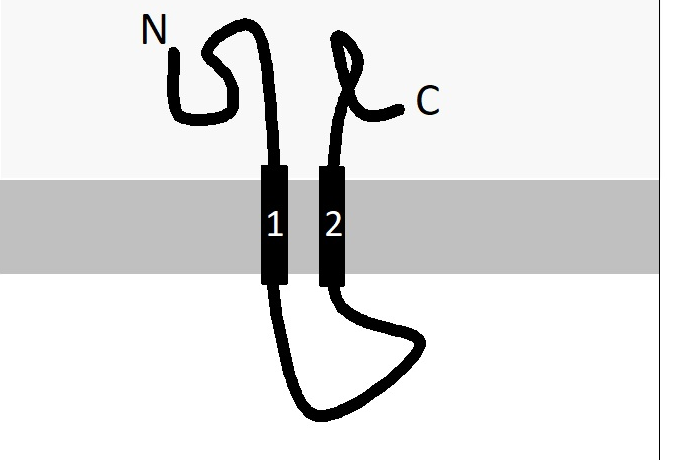
B) 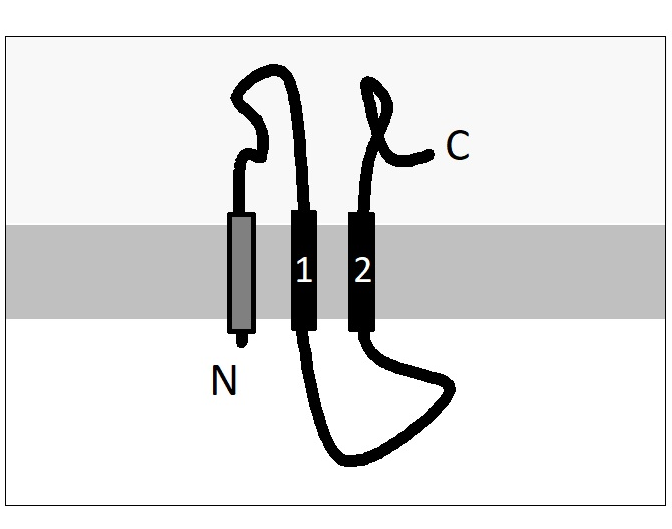
C) 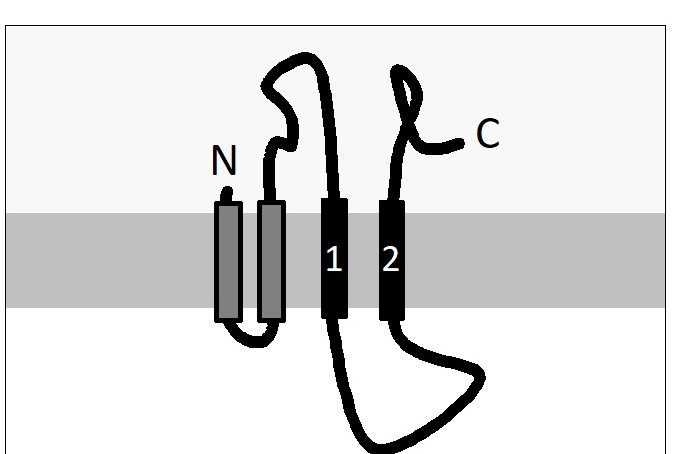
D) 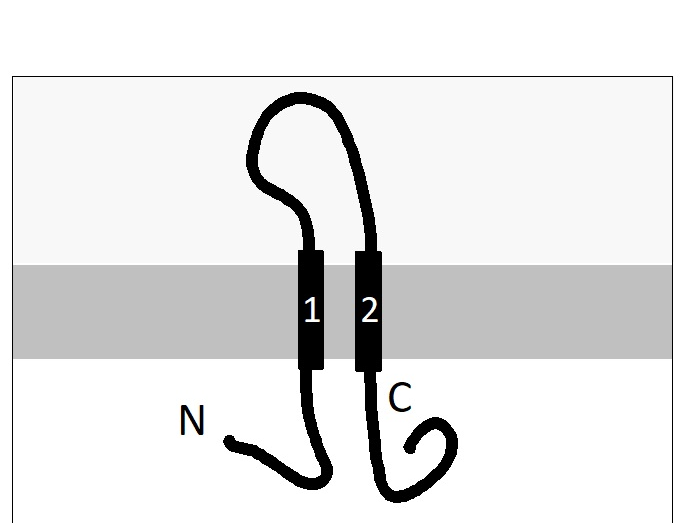
E) 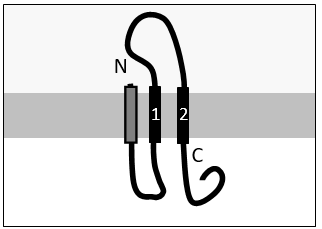
G) B) and E)
Correct Answer
verified
Correct Answer
verified
Correct Answer
verified
The examined Sec61 mutation s...View Answer
Correct Answer
verified
View Answer
Correct Answer
verified
Chloroplasts set up their H? gradients...View Answer
Correct Answer
verified
Chloroplasts set up their H? gradients...
View Answer
Correct Answer
verified
The endoplasmic reticulum (ER) membrane...View Answer
Correct Answer
verified
View Answer
Correct Answer
verified
The monoubiquitylation of Pex...View Answer
Correct Answer
verified
View Answer
Showing 21 - 40 of 46
Related Exams